
Korea has developed at a remarkable pace, and nowhere is this more visible than in Seoul, the nation’s capital. However, this rapid modernization has also meant that much of Korea’s traditional architecture has disappeared. In particular, hanok—traditional Korean houses—were often seen as inconvenient for modern living and were frequently demolished to make way for apartments.
Today, people are rediscovering the cultural and aesthetic value of hanok, and efforts are underway to preserve them. Their rarity has also increased their charm, making them even more sought after.
In this blog post, I’ll introduce some of the best Hanok cafes in Seoul and traditional Korean restaurants in hanok houses. If you want to experience something uniquely Korean beyond the usual tourist spots, these places are highly recommended for your trip.
Dugaheon (두가헌) – A Hanok Restaurant Blending Tradition and Modern Elegance
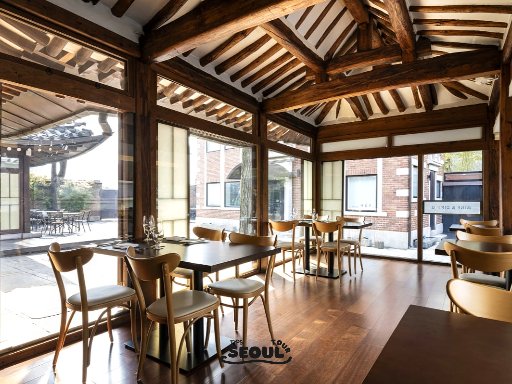
Dugaheon is one of the most iconic hanok restaurants in Seoul, located in Samcheong-dong near the historic Bukchon Hanok Village. The building itself was once a noble family’s residence, and its traditional wooden beams and tiled roof reflect Korea’s architectural heritage. After careful restoration, the space was transformed into a cultural dining venue where history and modern sophistication coexist.
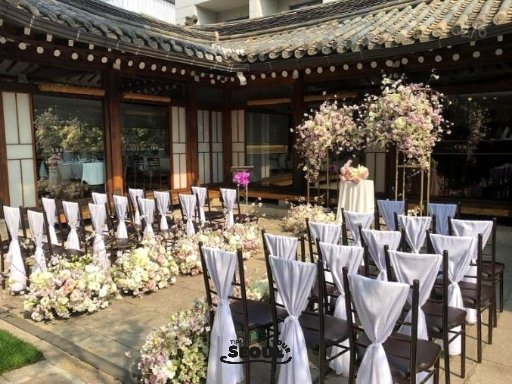
The atmosphere inside feels like stepping back in time, yet the menu is distinctly modern. Seasonal ingredients are reinterpreted into beautifully plated fusion dishes, combining Korean flavors with international techniques. Sunlight pours into the courtyard during the day, while the warm glow of lanterns at night makes it a romantic setting for dinner.
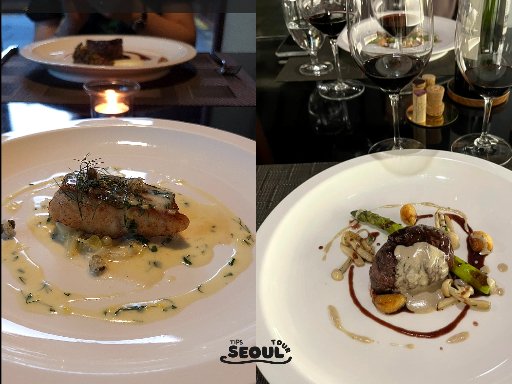
Dugaheon is more than just a restaurant—it is where visitors can appreciate Seoul’s past while enjoying the creativity of contemporary cuisine. For travelers seeking both cultural depth and a memorable meal, this hanok restaurant offers an experience that captures the essence of old and new Seoul.
Hwikyumjae (휘겸재) – A Hanok Café Full of Warmth and Tradition
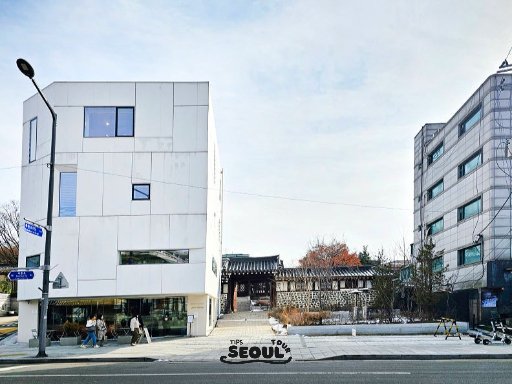
Tucked away in the alleys of Bukchon Hanok Village, Hwikyumjae is a hanok café where Seoul’s living traditions come to life. The building, originally built as a scholar’s residence, has been carefully preserved so visitors can enjoy the beauty of exposed wooden beams, sliding doors, and a small inner courtyard that still feels like someone’s home. Sitting inside, you get a sense of how daily life once unfolded in a Korean household centuries ago.
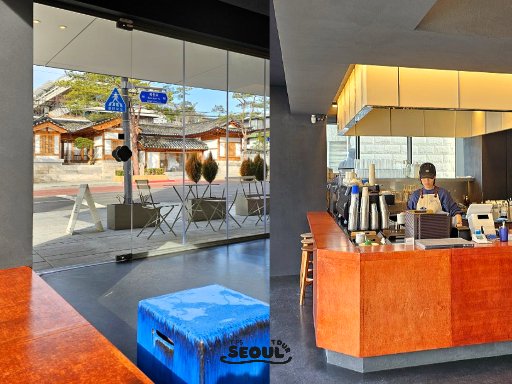
Unlike modern cafés, Hwikyumjae emphasizes a slower pace. Traditional teas brewed in porcelain cups, specialty coffee roasted on site, and homemade desserts complete the experience. Guests can enjoy a quiet corner on the wooden floor, looking out at the courtyard, while listening to the whispering breeze through tiled roofs.
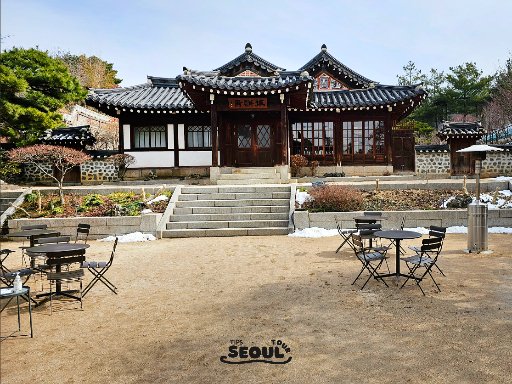
For travelers walking through Bukchon, Hwikyumjae offers more than just a drink—it’s a chance to step into history, to imagine life in a hanok, and to savor the simple beauty of Korean tradition.
Suyeonsanbang (수연산방) – A Hanok Tea House Preserving Korea’s Literary Spirit
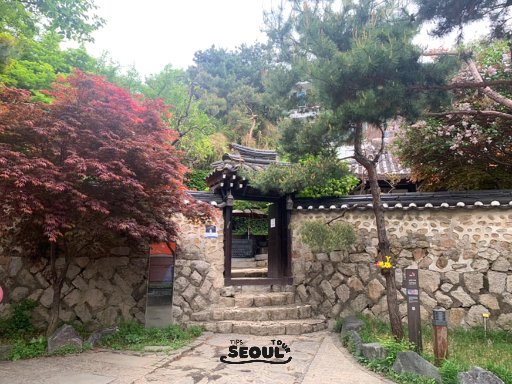
Hidden in the serene neighborhood of Seongbuk-dong, Suyeonsanbang carries deep cultural significance. This hanok tea house was once the home of novelist Lee Tae-jun, a key figure in Korea’s modern literary movement. Today, the space remains both a teahouse and a cultural heritage site, retaining its quiet dignity and intellectual charm. Walking through its wooden gates feels like entering a chapter of history.
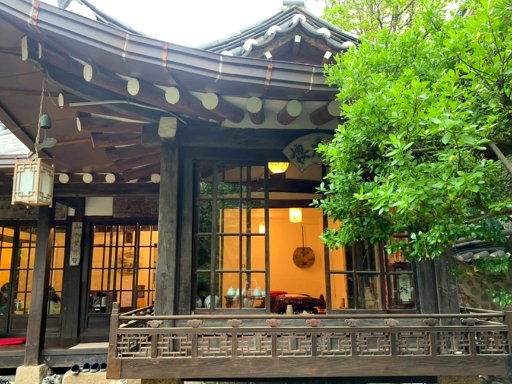
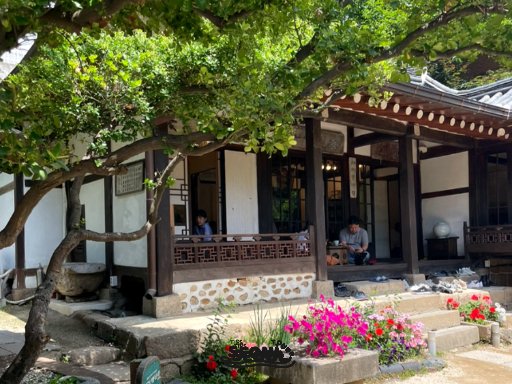
Visitors can sit beneath aged beams and sip on a wide range of traditional teas such as omija-cha (five-flavor berry tea) and yuja-cha (citrus tea), paired with classic Korean sweets. The tranquil garden, with its pine trees and seasonal flowers, invites meditation and reflection—a scene that inspired writers and artists for decades.
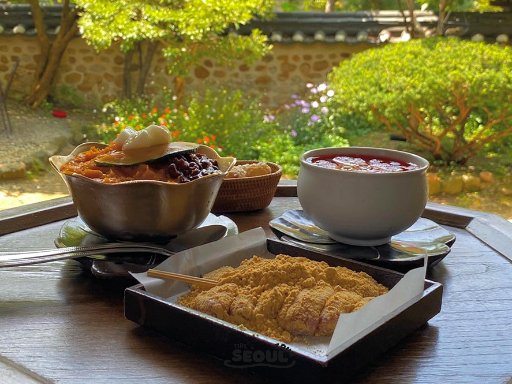
Suyeonsanbang is not just a tea house; it is where literature, history, and tradition converge. For those wanting to taste authentic Korean tea culture while connecting to its artistic past, there is no better place in Seoul.
Final Thoughts: Experiencing Hanok Culture in Seoul
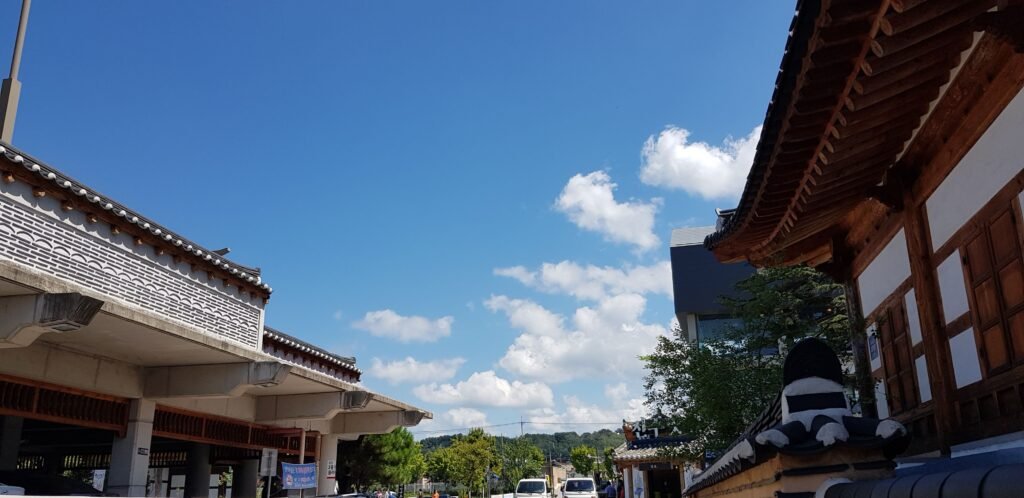
Exploring hanok cafés and restaurants is one of the best ways to encounter Seoul’s traditions while enjoying modern pleasures. Dugaheon invites you into a noble residence-turned-fine dining space, Hwikyumjae offers a cozy glimpse into everyday hanok life, and Suyeonsanbang preserves history through tea and literature.
Each of these spaces tells a story of how old and new coexist in Seoul, and each offers travelers an unforgettable experience. If you wish to immerse yourself in Korea’s culture while enjoying food and drink in a timeless setting, these hanok spots are the perfect places to begin your journey.